TL;DR
- National output has stagnated not because we lack tools, but because we lack the capacity to use them; deep expertise is currently being suffocated by administrative slop.
- Capacity is the byproduct of ruthless prioritization. Leaders must role-model the de-commissioning of low-value work to empower their teams to focus.
- Whether managing personal finances, physical health, or AI compute, a capacity mindset creates a buffer for resilience and high-order innovation.
The Productivity Slump: More Doing, Less Impact
Since the 1990s, national productivity growth has largely plateaued, struggling to hit the historical 2% annual increase. Economists point to technology lags or aging populations, but we propose a different theory: We have optimized for activity by draining capacity.
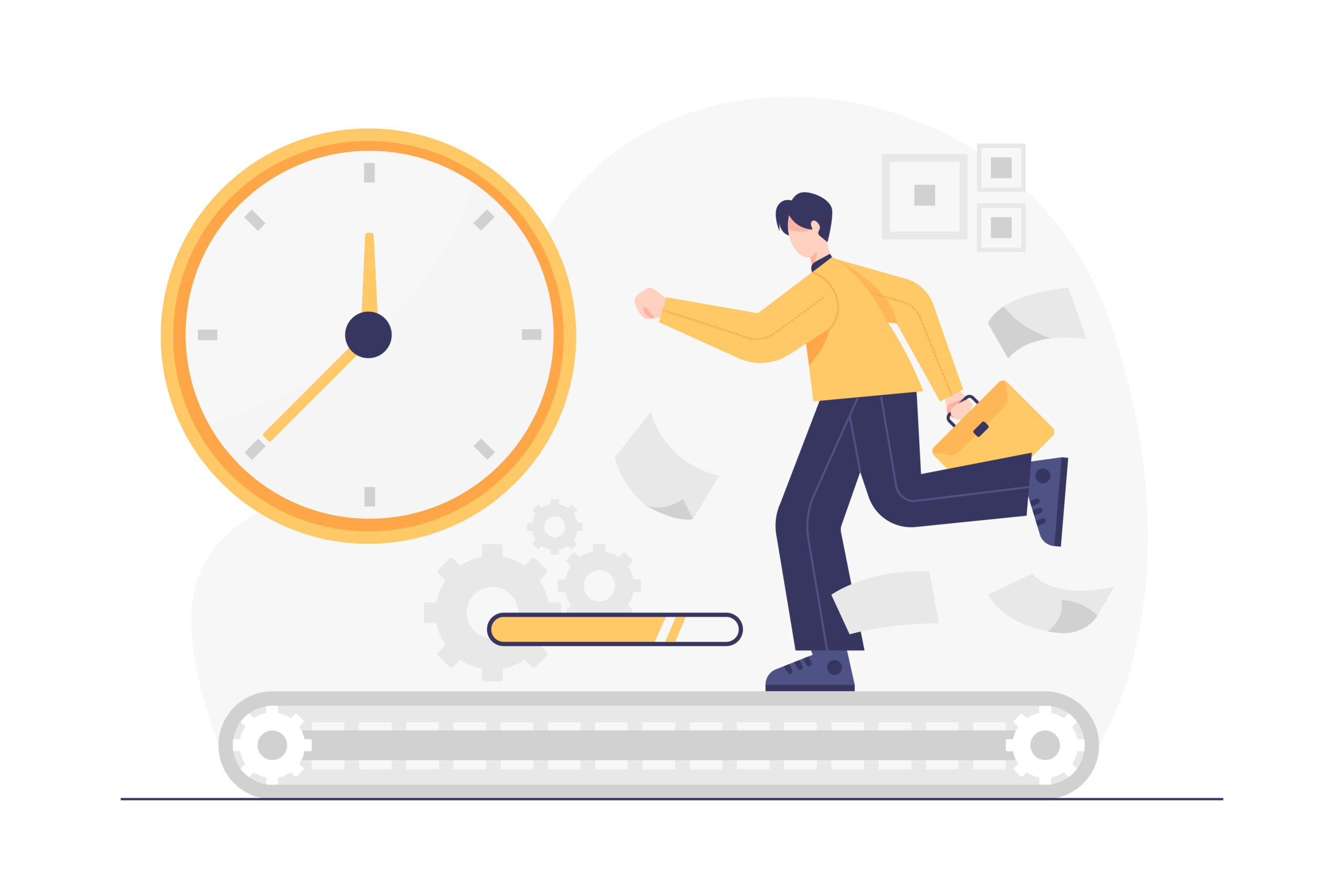
Organizations today are idea factories churning out busying tasks that bog down high-cost expertise. When a data scientist spends 60% of their week formatting spreadsheets rather than modeling strategy, the relationship between the organization and the team member is broken. Both are busy; neither is productive, no one is happy.
Creating capacity is more than just making room. it is a proactive muscle used to de-prioritize, delay, and de-commission less valuable efforts.
1. The Leader’s Ripple: Role-Modeling the “No”
Leaders often reach the executive level through seasons of sheer will, over-extending themselves to meet ambitious goals. The resulting stories can create a dangerous precedent. If a leader never sets boundaries, their team assumes that capacity is a myth. But there is a better story about achieving these great feats or organizational prowess, the story of all the opportunities that didn’t happen so the big ones could thrive.
Real culture isn’t driven by memos; it’s driven by authentic role modeling.
While many feel that as leaders they must do it all, be on all the time, relentlessly drive for more, elite leaders only succeed because they create the capacity focus on the biggest opportunities and let the rest go.
When you model resilient prioritization, you give your team the confidence to do the same. This behavior has a cascading effect beyond the office. When individuals are more intentional with their resources—their time, their energy, and even their finances—they build a sense of security that allows them to show up fully for the customer.
2. The Organizational Flywheel: From Busyness to Value
In a healthy organization, capacity acts as a catalyst. Imagine a team deeply focused on strategically accretive tasks. Because they have the space to work at their top capability, their energy remains high, and their impact is measurable.
This isn’t just about human talent; it applies to your compute capacity as well. With the current AI gold rush, priorities are everywhere at once. A capacity mindset asks: “How do I get the absolute most value from my limited compute resources?” Instead of plugging AI into traditional, broken processes, capacity-focused leaders use it to re-think the process entirely. They understand that even silicon has limits, and they move toward the highest return on those efforts.
3. The High-Performance Beacon: Building Your Replacement
Even if your team is currently excelling, capacity remains your greatest asset as the fuel for you and your team’s personal growth engines.
For the Leader: You cannot move to the next level until you have the capacity to take on more. Are you building your replacement? Have you built a system of delegation that allows you to lean into greater enterprise value?
For the Team: Growth creates growth. Growth in accountabilities for the team creates growth opportunities for everyone. Do your teams have a ritual for re-imagining or de-commissioning work? Do you knave a plan to capture growth opportunities in place of the downgraded? Great teams don’t just do more; they do better things.
Culture is a Function of “No”
Culture is defined more by what an organization says “no” to than what it says “yes” to.
- It’s saying “no” to the great investment that may conflict your values.
- It’s saying “not right now” to the brilliant idea that would distract from the current mission.
- It’s not who you hire, but who continues to stay when they shouldn’t.
The accumulation of these no’s is what builds a clear and shared understanding of purpose. It is the tactical application of Subtraction Theory.
Perspective
Some say focusing on capacity is just the other side of the priority coin. I disagree. Prioritizing is about the list; Capacity is about the human. Focusing on individual capacity builds a level of resilience and energy that scattered priorities never will. In my 20+ years, my focus on creating capacity for my teams has always led to them taking on more than my priorities. Why? Because when you clear the slop out of the way, their passions align with accretive opportunities I couldn’t even see.
Unleashing talent isn’t about giving them more to do; it’s about getting out of their way.
About the research
This article bridges the Leadership and Operations Ridges through the lens of Structures and Systems Thinking. The Bank of America Institute: Paycheck to Paycheck Analysis on the link between financial insecurity and cognitive capacity. The Power of Saying No (PMC) on the psychological necessity of boundaries for performance. Energy as the Answer (Ridgeline) on designing for human energy over burnout. Experimental Change (Ridgeline) on the iterative nature of capacity building.