TL;DR
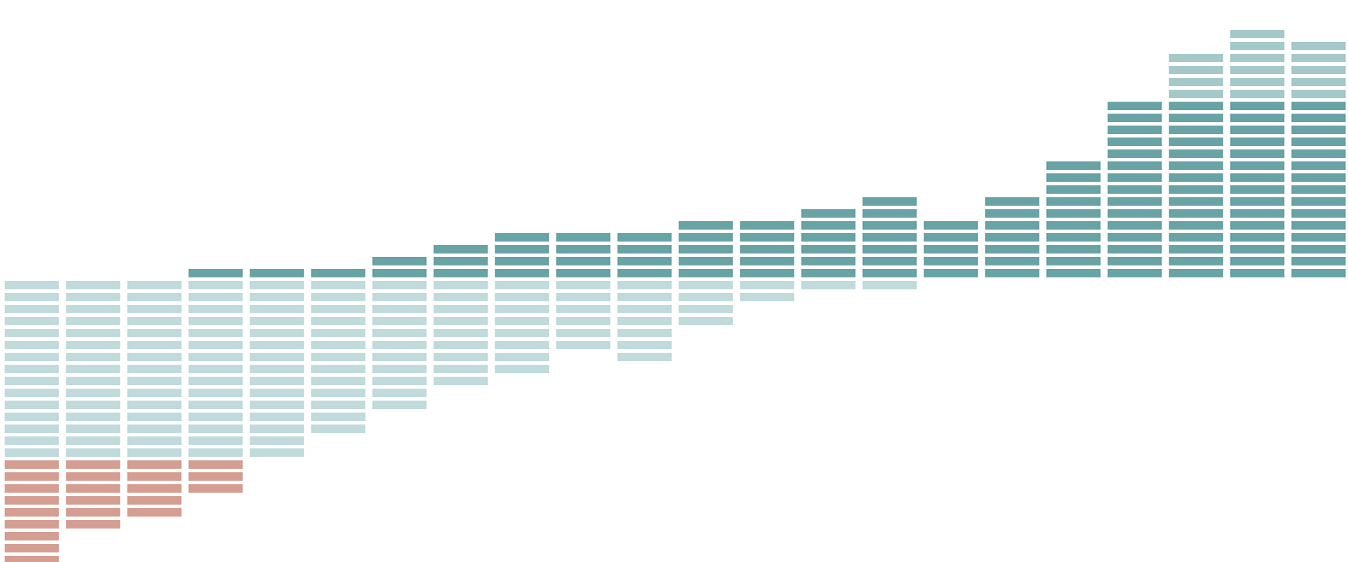
- The value flywheel doesn’t just impact an organizations ability to complete initiatives in expected timeframes, but has compounding effects from increased team energy, focus, and alignment.
- Resources are limited, your organization has a finite amount of “RAM.” To install new rituals, you must intentionally clear the “dust” of legacy load.
- Long-term impact is won in the “shadow period”—the space after the launch excitement fades but before the new muscle memory is formed.
From Boardroom High to “The Way”
We have all seen it: the high-energy launch, the polished slide decks, and the initial surge of excitement for a new direction. But fast forward six to twelve months, and the “gravity” of the old ways has pulled the organization back to its original shape. In executive leadership, we often mistake activity for impact. But if change isn’t durable, it isn’t an achievement. To make change stick, we must move beyond the “launch” and start architecting the system for a longer-term horizon.
The Flywheel of Durable Impact
Before we look at how durability erodes, it’s important to understand the prize. When you plan for long-term value and align resources to the right tasks, you create a flywheel. This doesn’t just win the current initiative; it builds a culture of wellbeing and the “organizational muscle memory” of hitting goals. Just as the brain builds neural pathways through repetition, an organization builds synapses of achievement. Over time that path is consistently tread, the “hard work” of change becomes the “default way” of working, compounding long-term value for your customers.
Navigating Across Time
If it was easy, everyone would do it.
The first hard truth is that there is limited space for “sticky things.” Organizations, much like the human brain, have a carrying capacity. When we ignore change fatigue, we try to build on a foundation that is already crumbling. If your team is spending 90% of their cognitive load just maintaining the status quo, there is no “RAM” left for the new architecture or ritual. Research into Cognitive Load Theory reminds us that every new initiative carries a “weight.” If you don’t intentionally clear the old “dust” off the surface, nothing new will stick. We must challenge ourselves to remove load, not just assume the status quo.
The second hurdle is that humans are biologically bad at time. As Daniel Kahneman and Amos Tversky detailed in their work on cognitive biases, humans suffer from a “planning fallacy” and a deep-seated bias for shorter timeframes. We overestimate what we can do in a month and radically underestimate the power of compounding over a year. Once the initial attention shifts to the “next big thing,” the measurement and attention of the last thing usually stops. If you aren’t looking at data in the “shadow period”—the quiet months after the fanfare—you aren’t measuring impact; you’re just measuring excitement.
Synthesized Across the Organization
- For the leader: Protecting your impact starts with protecting your focus. Structuring your time requires more than a calendar; it requires boundaries. If you don’t architect your days to put energy into the most important places, the “thick of thin things” will consume your capacity. There is a massive compounding effect when you model these counterintuitive behaviors for your teams.
- For the operational engine: Beware of growing technical debt often hidden in plain sight. In operations, effort devalues over time as legacy systems and manual workarounds accumulate. To ensure durability, you must automate, redesign, or re-evaluate services relentlessly. If a process requires human “heroics” to survive, it isn’t durable. Automation is the hedge that ensures your return on effort doesn’t evaporate as you scale.
- For needed intelligence: Speed to insight is everything, but we often stall at the starting line. Many organizations suffer from “questions on questions”—a reactive loop that asks for more data rather than better synthesis. Further, the desire to move quickly often results in watered-down proxy measures. We use Vacancy Rates to represent Talent Supply, or Provider Inbox Hours to represent Burnout. These are ghosts of the real complex problems we should be addressing. Long-term value requires a measurement strategy that tracks the substance, not just the proxy.
View the Horizon
Durability isn’t a “set it and forget it” event; it is a philosophy of the long game. When we account for human bias, respect organizational capacity, and automate the mundane, we stop fighting the gravity of the status quo. We start building structures that don’t just survive the next quarter but compound into a legacy.
My Perspective
Adopting a “Long-Term-Value” philosophy changes everything. It changes how you make decisions, which information you find pertinent, how you assess talent, and ultimately, how you judge your own success. When you shift to a horizon view, you actually gain more agility, not less. You aren’t reacting to every ripple in the water; you are navigating by the peak in the distance. In my experience, the leaders who make the biggest impact aren’t the loudest ones at the launch—they are the ones who are still there, quietly measuring and adjusting, long after the room has gone quiet. I also want to highlight that while the long view, with priorities and capacities taken very seriously, can feel like doing less, the intensity of effort is much higher, peaks and valleys still exist and should be welcomed. The difference is often not in the level of effort, but the shared desire created through the alignment on the destination.
About the research
This article draws on the Ridgeline Research Graph categories of durable change and temporal landmarks. Key influences include Daniel Kahneman’s research on temporal bias, the Progress Principle regarding long-term momentum, and the concept of technical debt in systemic operations.